
Daily Exchange Rate Forecasts & Currency News





Pound-to-Euro Slips to €1.1969 ahead of BoE Rate Decision
- Written by
James Fuller
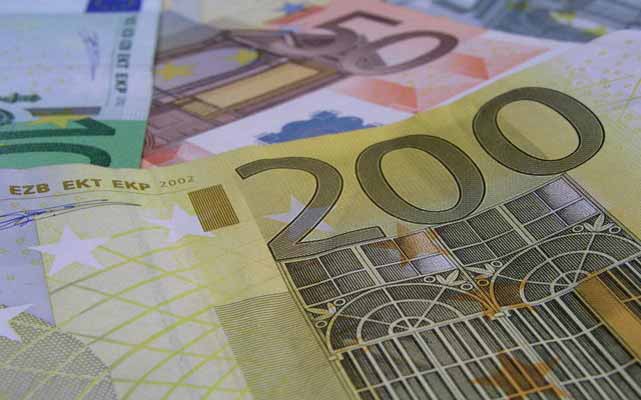
The Pound to Euro (GBP/EUR) exchange rate edged lower on Monday as the single currency benefited from improving market sentiment and a weaker US Dollar.
At the time of writing, GBP/EUR was trading at approximately €1.1969, down around 0.3% from Monday's opening levels but remaining close to the psychologically important €1.2000 mark.
The Euro (EUR) strengthened against most major currencies at the start of the week, supported by renewed optimism over the possibility of a diplomatic breakthrough in the Middle East.
Hopes that negotiations could bring an end to the conflict encouraged investors to move away from traditional safe-haven assets, putting pressure on the US Dollar (USD).
The Euro benefited from the Dollar's retreat, with the two currencies' typically negative correlation helping the single currency recover some of its recent losses.
Improving risk appetite also allowed EUR investors to look past fresh concerns surrounding France's public finances.
On Friday, credit ratings agency Fitch downgraded its outlook on French sovereign debt from stable to negative, reflecting continued uncertainty over the government's ability to bring its substantial budget deficit under control.
The announcement added to existing concerns about France's borrowing requirements and the political difficulties facing efforts to restore confidence in the country's finances.
However, the downgrade failed to trigger significant selling pressure on Monday, with broader currency market movements providing greater support for the Euro.
Germany's latest retail sales figures offered a less encouraging signal.
Consumer spending unexpectedly contracted in September, raising fresh questions about the strength of household demand in the Eurozone's largest economy.
The disappointing figures limited the Euro's advance, although they were insufficient to reverse the currency's broader recovery.
The Pound (GBP), meanwhile, maintained a relatively firm tone against several major currencies despite losing ground to the Euro.
Sterling continued to benefit from falling UK government borrowing costs following Chancellor John Healey's Autumn Budget last week.
 The Chancellor's fiscal plans were broadly welcomed by bond investors, helping gilt yields retreat as concerns about the government's borrowing strategy eased.
The benchmark 10-year gilt yield extended its decline on Monday, reaching its lowest level since late September.
Lower oil prices also helped reduce pressure on bond markets by easing concerns about the inflationary impact of elevated energy costs.
Although falling yields can sometimes weigh on a currency, the latest decline appeared to reflect greater confidence in the UK's fiscal position rather than a significant reduction in expectations for Bank of England (BoE) monetary tightening.
Markets continued to anticipate another BoE interest rate increase at Thursday's policy meeting, providing an additional source of support for Sterling.
Nevertheless, with the Pound already trading close to recent multi-month highs against the Euro, investors appeared reluctant to push GBP/EUR higher without a fresh catalyst.
The Pound to Euro exchange rate could remain sensitive to shifting interest rate expectations this week, with Eurozone inflation figures and the Bank of England's latest policy decision likely to provide the main catalysts.
Wednesday's preliminary Eurozone consumer price index (CPI) is expected to show annual inflation accelerating from 3.8% to 3.9% in October.
A stronger-than-expected reading could reinforce speculation that the European Central Bank (ECB) will raise interest rates again in December, potentially providing additional support for the Euro.
This could leave GBP/EUR vulnerable to further losses, particularly if the single currency continues to benefit from improving global risk appetite.
However, a softer inflation reading could weaken expectations for further ECB tightening and allow Sterling to recover towards €1.2000.
For the Pound, attention will turn to Thursday's Bank of England interest rate announcement.
Markets widely expect policymakers to raise borrowing costs, meaning the accompanying vote split and guidance on future policy could prove more important than the decision itself.
A hawkish message suggesting that additional rate increases may be required could provide Sterling with the momentum needed to challenge €1.2000.
Conversely, indications that policymakers are becoming more cautious about further tightening could encourage profit-taking and put pressure on GBP/EUR.
The €1.1950 area remains an important near-term reference point, with a sustained move below this level potentially bringing €1.1900 back into focus.
For now, Sterling remains close to the €1.2000 threshold, but the direction of the next move may depend on whether the BoE or ECB delivers the stronger signal on interest rates.
STORY LINK Pound-to-Euro Slips to €1.1969 ahead of BoE Rate Decision
The Pound to Euro (GBP/EUR) exchange rate edged lower on Monday as the single currency benefited from improving market sentiment and a weaker US Dollar.
At the time of writing, GBP/EUR was trading at approximately €1.1969, down around 0.3% from Monday's opening levels but remaining close to the psychologically important €1.2000 mark.
The Euro (EUR) strengthened against most major currencies at the start of the week, supported by renewed optimism over the possibility of a diplomatic breakthrough in the Middle East.
Hopes that negotiations could bring an end to the conflict encouraged investors to move away from traditional safe-haven assets, putting pressure on the US Dollar (USD).
The Euro benefited from the Dollar's retreat, with the two currencies' typically negative correlation helping the single currency recover some of its recent losses.
Improving risk appetite also allowed EUR investors to look past fresh concerns surrounding France's public finances.
On Friday, credit ratings agency Fitch downgraded its outlook on French sovereign debt from stable to negative, reflecting continued uncertainty over the government's ability to bring its substantial budget deficit under control.
Save on Your GBP/EUR Transfer
Get better rates and lower fees on your next international money transfer. Compare TorFX with top UK banks in seconds and see how much you could save.
However, the downgrade failed to trigger significant selling pressure on Monday, with broader currency market movements providing greater support for the Euro.
Germany's latest retail sales figures offered a less encouraging signal.
Consumer spending unexpectedly contracted in September, raising fresh questions about the strength of household demand in the Eurozone's largest economy.
The disappointing figures limited the Euro's advance, although they were insufficient to reverse the currency's broader recovery.
The Pound (GBP), meanwhile, maintained a relatively firm tone against several major currencies despite losing ground to the Euro.
Sterling continued to benefit from falling UK government borrowing costs following Chancellor John Healey's Autumn Budget last week.
The benchmark 10-year gilt yield extended its decline on Monday, reaching its lowest level since late September.
Lower oil prices also helped reduce pressure on bond markets by easing concerns about the inflationary impact of elevated energy costs.
Although falling yields can sometimes weigh on a currency, the latest decline appeared to reflect greater confidence in the UK's fiscal position rather than a significant reduction in expectations for Bank of England (BoE) monetary tightening.
Markets continued to anticipate another BoE interest rate increase at Thursday's policy meeting, providing an additional source of support for Sterling.
Nevertheless, with the Pound already trading close to recent multi-month highs against the Euro, investors appeared reluctant to push GBP/EUR higher without a fresh catalyst.
Near-Term GBP/EUR Forecast: Eurozone Inflation and BoE Decision Could Test €1.20
The Pound to Euro exchange rate could remain sensitive to shifting interest rate expectations this week, with Eurozone inflation figures and the Bank of England's latest policy decision likely to provide the main catalysts.
Wednesday's preliminary Eurozone consumer price index (CPI) is expected to show annual inflation accelerating from 3.8% to 3.9% in October.
A stronger-than-expected reading could reinforce speculation that the European Central Bank (ECB) will raise interest rates again in December, potentially providing additional support for the Euro.
This could leave GBP/EUR vulnerable to further losses, particularly if the single currency continues to benefit from improving global risk appetite.
However, a softer inflation reading could weaken expectations for further ECB tightening and allow Sterling to recover towards €1.2000.
For the Pound, attention will turn to Thursday's Bank of England interest rate announcement.
Markets widely expect policymakers to raise borrowing costs, meaning the accompanying vote split and guidance on future policy could prove more important than the decision itself.
A hawkish message suggesting that additional rate increases may be required could provide Sterling with the momentum needed to challenge €1.2000.
Conversely, indications that policymakers are becoming more cautious about further tightening could encourage profit-taking and put pressure on GBP/EUR.
The €1.1950 area remains an important near-term reference point, with a sustained move below this level potentially bringing €1.1900 back into focus.
For now, Sterling remains close to the €1.2000 threshold, but the direction of the next move may depend on whether the BoE or ECB delivers the stronger signal on interest rates.
International Money Transfer? Ask our resident FX expert a money transfer question or try John's new, free, no-obligation personal service! ,where he helps every step of the way, ensuring you get the best exchange rates on your currency requirements.
TAGS: Pound Euro Forecasts
Comments are currrently disabled
Related Stories:
- Pound-to-Euro Slips to €1.1969 ahead of BoE Rate Decision - November 2, 2026
- Pound to Euro Week Ahead Forecast: GBP Breaks 1.20 but Banks Warn of Correction - November 2, 2026
- British Pound to Euro Forecast: Lagarde Resignation Sends GBP to 19-Month High - October 30, 2026
- Pound Sterling Forecast: Falling UK Gilt Yields Lift GBP/EUR towards €1.20 - October 29, 2026
- British Pound to Euro Forecast: UK Budget Growth Downgrade Halts GBP Rally - October 29, 2026
- Pound-to-Euro Rate Slips as OBR Cuts UK Growth Forecast to 1% - October 28, 2026
- Pound to Euro Forecast: Best Exchange Rate in 17 Months Ahead of UK Budget - October 28, 2026
- British Pound-to-Euro Forecast: GBP/EUR Slips as UK Autumn Budget Looms - October 27, 2026
- Pound to Euro Weekly Forecast: GBP Hits 16-Month Best Ahead of UK Budget - October 26, 2026
Latest News:
- Pound to Dollar Hits Best Exchange Rate in Six Weeks as US Elections Loom - November 2, 2026
- Pound-to-Euro Slips to €1.1969 ahead of BoE Rate Decision - November 2, 2026
- Euro to Dollar Forecast: US Midterms Democrat Sweep Put USD at Risk - November 2, 2026
- Pound to Euro Week Ahead Forecast: GBP Breaks 1.20 but Banks Warn of Correction - November 2, 2026
- Pound to Dollar Forecast: BoE Rate Hike Looms, US Midterms Threaten Volatility - November 2, 2026
- Pound to Dollar Forecast: GBP Rises as Fed Decision Weakens USD - October 30, 2026
- British Pound to Euro Forecast: Lagarde Resignation Sends GBP to 19-Month High - October 30, 2026
- Pound Sterling Forecast: Falling UK Gilt Yields Lift GBP/EUR towards €1.20 - October 29, 2026
- GBP/USD Forecast: Pound Sterling Rises as UK Gilt Yields Hit Five-Week Low - October 29, 2026
- Pound to Dollar Forecast: GBP Recovers Despite Surging Energy Prices - October 29, 2026
Daily Market Updates
Major Currency Forecasts
- Pound Sterling Forecast
- Euro Forecast
- American Dollar Forecast
- Australian Dollar Forecast
- Japanese Yen Forecast
- Swiss Franc Forecast
- New Zealand Dollar Forecast
- Canadian Dollar Forecast
- Norwegian Krone Forecast
- South African Rand Forecast
- Indian Rupee Forecast
- Singapore Dollar Forecast
- UAE Dirhams Forecast
- Turkish Lira Forecast
- Hong Kong Dollar Forecast


Currency Pairs
- Pound Euro Forecast
- Pound Dollar Forecast
- Pound Australian Dollar Forecast
- Pound Yen Forecast
- Pound Swiss Franc Forecast
- Pound NZ Dollar Forecast
- Pound Canadian Dollar Forecast
- Pound Krone Forecast
- Pound Rand Forecast
- Pound Rupee Forecast
- Pound Sing Dollar Forecast
- Pound Dirham Forecast
- Pound Lira Forecast
- Pound HK Dollar Forecast

© 2005 - 2026 Currency News - A UK FX Brand. All rights reserved.