
Daily Exchange Rate Forecasts & Currency News





Pound-to-Euro Hits Eight-Day Low as French Bond Yields Fall
- Written by
David Woodsmith
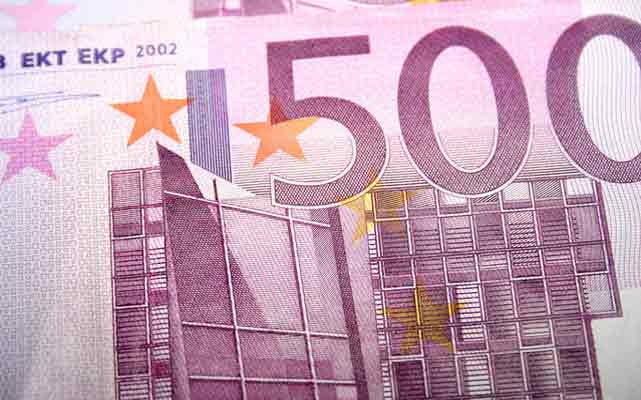
The Pound to Euro (GBP/EUR) exchange rate fell to an eight-day low on Tuesday as declining French government bond yields helped ease concerns about the country's public finances, providing support for the single currency.
At the time of writing, GBP/EUR was trading at around €1.1962, marginally lower on the day after recovering from an earlier low of €1.1952.
The Euro (EUR) strengthened against Sterling as French borrowing costs continued to retreat, offering some relief to investors concerned about the fiscal outlook for the Eurozone's second-largest economy.
French government bond yields declined for a third consecutive session, with the benchmark 10-year yield falling to its lowest level since 23 September.
The move marked a welcome reversal following October's sharp rise in borrowing costs, when French yields reached their highest levels in 24 years.
That earlier surge had raised concerns about the sustainability of France's public finances, with investors increasingly worried that the country's substantial borrowing requirements could trigger wider instability across Eurozone bond markets.
However, the recent decline in yields has helped ease some of these concerns, reducing the immediate pressure on French government debt and providing support for the Euro.
The improvement has been partly driven by developments in global energy markets.
Renewed hopes of a diplomatic breakthrough in the Middle East have pushed oil prices sharply lower, easing concerns about the inflationary impact of elevated energy costs.
Lower oil prices could provide some relief to European households and businesses, while also reducing pressure on government borrowing costs.
For France, where fiscal concerns have remained a significant source of market uncertainty, the retreat in yields has been particularly welcome.
Although the underlying challenges facing the French government remain unresolved, the easing in bond market tensions has helped improve sentiment towards the single currency.
The Pound (GBP), meanwhile, struggled to establish a clear direction on Tuesday as a lack of significant UK economic releases left Sterling without a fresh domestic catalyst.
Investors remained cautious ahead of Thursday's preliminary third-quarter GDP figures, which are expected to provide an important indication of the strength of the British economy.
 The data will be particularly closely watched following last week's hawkish Bank of England (BoE) interest rate decision.
Policymakers unanimously backed an increase in borrowing costs to 4%, while signalling that further tightening could be necessary to contain persistent inflation.
However, the prospect of additional rate increases has also raised questions about how much pressure the UK economy can withstand.
Stronger GDP figures could reassure investors that economic activity remains resilient despite elevated borrowing costs, potentially strengthening the case for further monetary tightening.
Conversely, disappointing growth data could revive concerns that the BoE risks weakening the economy by keeping interest rates higher for longer.
With the figures still two days away, Sterling investors appeared reluctant to take significant new positions, leaving the Pound struggling to compete with the recovering Euro.
The Pound to Euro exchange rate could remain sensitive to developments in European bond markets on Wednesday, with a speech from European Central Bank (ECB) President Christine Lagarde providing the main scheduled event.
Investors will be looking for any fresh indications of how policymakers intend to respond to persistent inflation pressures and the uncertain Eurozone growth outlook.
A hawkish message suggesting that further interest rate increases remain necessary could strengthen expectations of additional ECB tightening, potentially providing support for the Euro.
Such an outcome could leave GBP/EUR vulnerable to another test of Tuesday's eight-day low around €1.1952.
A sustained move below this level could bring the €1.1900 threshold back into focus.
However, a more cautious tone from Lagarde could weigh on the single currency, particularly if her remarks suggest that policymakers are becoming increasingly concerned about the impact of higher borrowing costs on economic activity.
The Euro may also remain sensitive to movements in French government bond yields.
Further declines could help maintain the recent improvement in sentiment towards French debt, while a renewed increase in borrowing costs could revive fiscal concerns and undermine the single currency.
For Sterling, Wednesday's relatively quiet UK economic calendar means investors are likely to remain focused on Thursday's GDP release.
Economists expect quarterly growth to have accelerated from 0.5% to 0.7%, and confirmation of stronger economic momentum could provide the Pound with fresh support.
However, with the data still to come, GBP/EUR may struggle to establish a sustained recovery above €1.2000.
The immediate outlook will therefore depend on whether the Euro can retain support from easing French debt concerns and whether Lagarde's comments reinforce expectations of further ECB interest rate increases.
STORY LINK Pound-to-Euro Hits Eight-Day Low as French Bond Yields Fall
The Pound to Euro (GBP/EUR) exchange rate fell to an eight-day low on Tuesday as declining French government bond yields helped ease concerns about the country's public finances, providing support for the single currency.
At the time of writing, GBP/EUR was trading at around €1.1962, marginally lower on the day after recovering from an earlier low of €1.1952.
The Euro (EUR) strengthened against Sterling as French borrowing costs continued to retreat, offering some relief to investors concerned about the fiscal outlook for the Eurozone's second-largest economy.
French government bond yields declined for a third consecutive session, with the benchmark 10-year yield falling to its lowest level since 23 September.
The move marked a welcome reversal following October's sharp rise in borrowing costs, when French yields reached their highest levels in 24 years.
That earlier surge had raised concerns about the sustainability of France's public finances, with investors increasingly worried that the country's substantial borrowing requirements could trigger wider instability across Eurozone bond markets.
However, the recent decline in yields has helped ease some of these concerns, reducing the immediate pressure on French government debt and providing support for the Euro.
Save on Your GBP/EUR Transfer
Get better rates and lower fees on your next international money transfer. Compare TorFX with top UK banks in seconds and see how much you could save.
Renewed hopes of a diplomatic breakthrough in the Middle East have pushed oil prices sharply lower, easing concerns about the inflationary impact of elevated energy costs.
Lower oil prices could provide some relief to European households and businesses, while also reducing pressure on government borrowing costs.
For France, where fiscal concerns have remained a significant source of market uncertainty, the retreat in yields has been particularly welcome.
Although the underlying challenges facing the French government remain unresolved, the easing in bond market tensions has helped improve sentiment towards the single currency.
The Pound (GBP), meanwhile, struggled to establish a clear direction on Tuesday as a lack of significant UK economic releases left Sterling without a fresh domestic catalyst.
Investors remained cautious ahead of Thursday's preliminary third-quarter GDP figures, which are expected to provide an important indication of the strength of the British economy.
Policymakers unanimously backed an increase in borrowing costs to 4%, while signalling that further tightening could be necessary to contain persistent inflation.
However, the prospect of additional rate increases has also raised questions about how much pressure the UK economy can withstand.
Stronger GDP figures could reassure investors that economic activity remains resilient despite elevated borrowing costs, potentially strengthening the case for further monetary tightening.
Conversely, disappointing growth data could revive concerns that the BoE risks weakening the economy by keeping interest rates higher for longer.
With the figures still two days away, Sterling investors appeared reluctant to take significant new positions, leaving the Pound struggling to compete with the recovering Euro.
Near-Term GBP/EUR Forecast: Could ECB Comments Extend Euro's Recovery?
The Pound to Euro exchange rate could remain sensitive to developments in European bond markets on Wednesday, with a speech from European Central Bank (ECB) President Christine Lagarde providing the main scheduled event.
Investors will be looking for any fresh indications of how policymakers intend to respond to persistent inflation pressures and the uncertain Eurozone growth outlook.
A hawkish message suggesting that further interest rate increases remain necessary could strengthen expectations of additional ECB tightening, potentially providing support for the Euro.
Such an outcome could leave GBP/EUR vulnerable to another test of Tuesday's eight-day low around €1.1952.
A sustained move below this level could bring the €1.1900 threshold back into focus.
However, a more cautious tone from Lagarde could weigh on the single currency, particularly if her remarks suggest that policymakers are becoming increasingly concerned about the impact of higher borrowing costs on economic activity.
The Euro may also remain sensitive to movements in French government bond yields.
Further declines could help maintain the recent improvement in sentiment towards French debt, while a renewed increase in borrowing costs could revive fiscal concerns and undermine the single currency.
For Sterling, Wednesday's relatively quiet UK economic calendar means investors are likely to remain focused on Thursday's GDP release.
Economists expect quarterly growth to have accelerated from 0.5% to 0.7%, and confirmation of stronger economic momentum could provide the Pound with fresh support.
However, with the data still to come, GBP/EUR may struggle to establish a sustained recovery above €1.2000.
The immediate outlook will therefore depend on whether the Euro can retain support from easing French debt concerns and whether Lagarde's comments reinforce expectations of further ECB interest rate increases.
International Money Transfer? Ask our resident FX expert a money transfer question or try John's new, free, no-obligation personal service! ,where he helps every step of the way, ensuring you get the best exchange rates on your currency requirements.
TAGS: Pound Euro Forecasts
Comments are currrently disabled
Related Stories:
- Pound-to-Euro Hits Eight-Day Low as French Bond Yields Fall - November 10, 2026
- British Pound to Euro Forecast: ANZ Cautious as GBP/EUR Tests 20-Month Highs - November 10, 2026
- Pound-to-Euro Holds Near €1.20 as ECB Leadership Race Begins - November 9, 2026
- Pound-to-Euro Week Ahead Forecast: GBP Supported by BoE, Closer EU Ties - November 9, 2026
- British Pound to Euro Forecast: UK Inflation Could Hit 5% as BoE Raises Rates - November 8, 2026
- Pound-to-Euro Breaks €1.20 - November 5, 2026
- British Pound to Euro Forecast: BoE Raises Rates to 4%, GBP Eyes 1.21 - November 5, 2026
- Pound-Euro Steady at 1.1983 as UK Services PMI Disappoints - November 4, 2026
- British Pound to Euro Forecast: GBP Eyes 1.20 Ahead of BoE Rate Hike - November 4, 2026
Latest News:
- Pound-to-Euro Hits Eight-Day Low as French Bond Yields Fall - November 10, 2026
- GBP/USD Price Forecast: Hot US Inflation Sends Pound Sterling Sharply Lower - November 10, 2026
- Pound to Dollar Forecast: Sterling Recovers as ING Warns of Dollar Correction - November 10, 2026
- British Pound to Euro Forecast: ANZ Cautious as GBP/EUR Tests 20-Month Highs - November 10, 2026
- Pound-to-Euro Holds Near €1.20 as ECB Leadership Race Begins - November 9, 2026
- GBP/USD Forecast: Pound Sterling Jumps 0.5% as Risk Rally Hits US Dollar - November 9, 2026
- Euro to Dollar Week-Ahead Forecast: US Inflation to Test Euro Rebound - November 9, 2026
- Pound-to-Dollar Weekly Forecast: Analysts Remain Bullish on Sterling - November 9, 2026
- Pound-to-Euro Week Ahead Forecast: GBP Supported by BoE, Closer EU Ties - November 9, 2026
- Pound to Dollar Forecast: GBP/USD Stalls at 1.35 Despite Hawkish BoE - November 8, 2026
Daily Market Updates
Major Currency Forecasts
- Pound Sterling Forecast
- Euro Forecast
- American Dollar Forecast
- Australian Dollar Forecast
- Japanese Yen Forecast
- Swiss Franc Forecast
- New Zealand Dollar Forecast
- Canadian Dollar Forecast
- Norwegian Krone Forecast
- South African Rand Forecast
- Indian Rupee Forecast
- Singapore Dollar Forecast
- UAE Dirhams Forecast
- Turkish Lira Forecast
- Hong Kong Dollar Forecast


Currency Pairs
- Pound Euro Forecast
- Pound Dollar Forecast
- Pound Australian Dollar Forecast
- Pound Yen Forecast
- Pound Swiss Franc Forecast
- Pound NZ Dollar Forecast
- Pound Canadian Dollar Forecast
- Pound Krone Forecast
- Pound Rand Forecast
- Pound Rupee Forecast
- Pound Sing Dollar Forecast
- Pound Dirham Forecast
- Pound Lira Forecast
- Pound HK Dollar Forecast

© 2005 - 2026 Currency News - A UK FX Brand. All rights reserved.